What Is Plastisol?
Blog post by GetBold
Published at Thu Jul 02 2026
Published at Thu Jul 02 2026
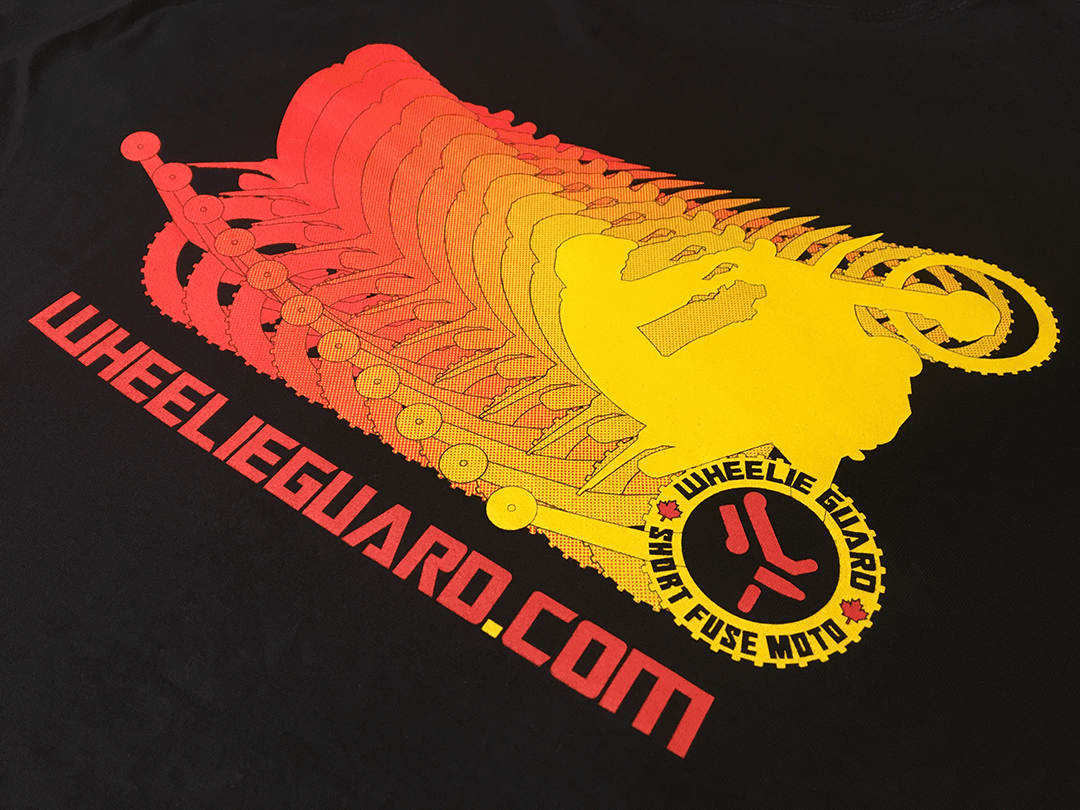
Plastisol is one of the most commonly used inks in custom screen printing. It is known for creating bold, durable prints with strong colour, clean coverage, and a smooth finish. If you have worn a graphic t-shirt, hoodie, sweatshirt, team shirt, or event tee, there is a good chance the design was printed with plastisol ink.
In custom apparel, plastisol is popular because it is reliable. It gives printers strong control over colour, opacity, and consistency, which makes it a practical choice for businesses, brands, schools, teams, events, and organizations that want their apparel to look sharp across a full order.
At GetBold, standard screen printing uses plastisol ink to create bold, durable designs with vibrant colour and a smooth finish. It works especially well on garments like custom t-shirts, custom hoodies, and sweatshirts where the artwork needs to stand out and hold up through repeated wear.
Whether you are printing staff shirts, school apparel, team gear, event merch, brand apparel, or promotional clothing, plastisol is a strong choice when you want a classic screen printed look.
How Plastisol Ink Works
Plastisol ink is used in the screen printing process. A screen is prepared for each colour in the design, and the ink is pushed through the screen onto the garment. Once the ink is printed, the garment is cured with heat so the design bonds properly and becomes ready to wear.
Unlike some inks that absorb deeply into the fibres of the fabric, plastisol sits more on top of the garment. This helps create strong colour coverage, especially on darker fabrics. It also gives plastisol its familiar screen printed feel.
The curing process is important. Plastisol ink needs to reach the right temperature to set properly. When cured correctly, the print becomes durable and can hold up well through regular washing and everyday use.
This is one of the reasons plastisol is so widely used. It is predictable, consistent, and versatile. For brands and businesses that need the same logo or design printed across many garments, plastisol makes it easier to keep the finished apparel looking consistent.
Why Plastisol Is Used for Screen Printing
Plastisol is used for screen printing because it produces bold colour, reliable coverage, and long-lasting results. It is especially useful when a design needs to look clean and vibrant on t-shirts, hoodies, sweatshirts, and other flat garments.
GetBold describes plastisol as a “what you see is what you get” ink because the final print closely resembles the approved mock-up. That matters for custom apparel because customers want to know what their design will look like before production begins. A reliable ink helps make the final result easier to predict.
Plastisol is also useful because it can create strong opacity. This means it can show up clearly on dark garments, which is important for branded apparel, event shirts, band merch, team gear, and company clothing. A white logo on a black hoodie, for example, needs an ink that can stay bright and visible.
For many custom apparel projects, plastisol offers the right balance of quality, durability, colour, and practicality.
When Should You Choose Plastisol?
Choose plastisol when you want a bold, durable, traditional screen printed design. It is a strong option for apparel that needs to be worn regularly and still look clean after repeated washes.
Plastisol works especially well for:
- Custom t-shirts
- Custom hoodies
- Custom sweatshirts
- Event shirts
- Team apparel
- School clothing
- Company shirts
- Band merch
- Brand merch
- Promotional apparel
- Large front designs
- Back prints
- Bold logos
- Solid colour artwork
- Simple to moderately detailed graphics
Plastisol is often the best choice when you want your design to have strong colour and a clean screen printed finish. It is especially practical for larger orders because screen printing becomes more efficient as the quantity increases.
If your design is very detailed, full-colour, or better suited to a smaller run, DTF transfer printing may be a better option. If you want a stitched, textured finish on hats, polos, or jackets, embroidery may be the better choice.
What Products Work Best With Plastisol Ink?
Plastisol ink works best on flat, stable garments that can go through the screen printing process cleanly. T-shirts, hoodies, and sweatshirts are some of the most popular products because they provide a smooth surface for the design.
Custom t-shirts are the classic plastisol screen printing product. They are ideal for company apparel, event merch, staff shirts, school apparel, team clothing, fundraisers, festivals, and promotional campaigns. A plastisol print can create strong colour and clear artwork on both light and dark shirts.
Custom hoodies and sweatshirts are also strong options. These garments are popular for brands, schools, teams, businesses, and merch programs because they feel more substantial and wearable. Plastisol works well for bold chest prints, large back designs, sleeve graphics, and simple logos.
Plastisol can also work on some other apparel depending on the fabric and construction. However, the garment needs to lay flat during printing. Zippers, thick seams, heavy pockets, uneven surfaces, and certain technical fabrics can make screen printing more difficult.
For hats, structured jackets, polos, and workwear, other decoration methods may be more suitable. Custom embroidery, patches, or transfer printing may create a cleaner result depending on the product.
Plastisol vs. Water-Based Ink
Plastisol and water-based ink are both used in screen printing, but they create different results.
Plastisol sits more on top of the fabric, which helps create bold colour and strong coverage. It is predictable, vibrant, and durable. It also works well when the design needs to stand out on darker garments.
Water-based ink absorbs more into the fabric. This can create a softer, more breathable feel, especially on lighter garments. However, it can be less predictable on some fabric types and may not provide the same bright coverage on dark apparel.
GetBold’s blog on plastisol vs. water-based inks explains that plastisol is their go-to because it is straightforward and gives customers a final product that closely matches the approved mock-up. For businesses and organizations ordering custom apparel, that predictability is important.
If you want a bold print with strong colour, plastisol is usually a great choice. If you want a softer, more vintage-style finish, another ink or printing approach may be worth considering.
Plastisol vs. DTF Transfer Printing
Plastisol screen printing and DTF transfer printing are both useful custom apparel methods, but they are best for different projects.
Plastisol is used in traditional screen printing. It is ideal for larger quantities, bold designs, strong colours, solid artwork, and classic t-shirt or hoodie prints. Each colour in the design usually requires its own screen, so simpler colour palettes are often more cost-effective.
DTF transfer printing is a heat transfer method where the design is printed onto film, coated with adhesive, and pressed onto the garment. It is often better for small orders, full-colour graphics, gradients, detailed artwork, and designs with many colours.
A simple way to compare them is this: plastisol screen printing is best for bold, durable designs and larger runs. DTF transfer printing is best for flexibility, detail, and smaller runs.
At GetBold, both options are available, so your project can be matched with the method that makes the most sense for the artwork, apparel, quantity, and budget.
Plastisol vs. Embroidery
Plastisol and embroidery create completely different apparel finishes.
Plastisol is a screen printing ink. It creates a printed design on the surface of the fabric. It is best for t-shirts, hoodies, sweatshirts, event apparel, merch, large graphics, back prints, and bold artwork.
Embroidery uses thread to stitch the design into the garment. It creates a textured, premium finish that works well for hats, polos, jackets, uniforms, aprons, bags, and smaller logo placements.
If you are creating a large graphic t-shirt, plastisol screen printing is usually the better choice. If you are adding a company logo to a polo or hat, embroidery may create a more polished result.
Both methods are durable when done properly. The right choice depends on the garment, design, quantity, placement, and final look you want.
What Designs Work Best With Plastisol?
Plastisol works best with bold, clear, print-friendly artwork. Designs with solid colours, strong lines, clean typography, and defined shapes usually print very well with plastisol ink.
Good design choices for plastisol include:
- Bold logos
- Large front graphics
- Back prints
- Event artwork
- Team designs
- Band merch
- Text-based designs
- Simple illustrations
- Brand graphics
- Solid colour artwork
- Halftone designs
Plastisol can also be used for more detailed designs with techniques like halftones. Halftones use small dots to create the appearance of shading or gradients while still keeping the artwork screen printable.
However, designs with many colours, photographic detail, or complex gradients may be better suited to DTF transfer printing or another digital method. For the best results, artwork should be clean, high-quality, and prepared properly before production.
You can also review GetBold’s artwork guidelines before submitting your design to make sure your file is ready for print.
Is Plastisol Durable?
Yes, plastisol is known for being durable when it is printed and cured correctly. This is one of the main reasons it remains a standard choice for custom screen printing.
A properly cured plastisol print can hold up through repeated wear and washing. It is commonly used for t-shirts, hoodies, sweatshirts, event apparel, team gear, and branded clothing because it is reliable and long-lasting.
Like any decorated apparel, care matters. To help preserve a plastisol print, wash garments inside out in cold water, avoid harsh detergents, and use low heat or hang dry when possible. High heat and rough washing can shorten the life of many printed designs.
For everyday custom apparel, plastisol offers a strong combination of durability, colour, and consistency.
Why Plastisol Is Popular for Branded Apparel
Plastisol is popular for branded apparel because it helps logos and designs look bold, clean, and consistent. For businesses, schools, teams, and events, that consistency matters.
If you are ordering 50, 100, or 500 shirts, you want the design to look the same across the full order. Plastisol screen printing is built for that kind of repeatability. Once the screens are set up, the same design can be printed across multiple garments and sizes.
Plastisol also gives brands more control over colour. Strong opacity helps artwork stand out, especially on darker apparel. This is helpful for company shirts, staff apparel, school clothing, team gear, event merch, and promotional campaigns where the logo needs to be easy to see.
It also gives apparel a familiar, professional screen printed finish. For many people, plastisol is what they expect from a high-quality printed t-shirt or hoodie.
Plastisol Screen Printing With GetBold
GetBold helps businesses, brands, schools, teams, events, and organizations across Canada create custom apparel with the right decoration method for the job. Plastisol screen printing is one of the most reliable options when you want bold colour, durable prints, and a classic screen printed finish.
GetBold’s standard screen printing uses high-quality plastisol inks for t-shirts, hoodies, sweatshirts, and other flat garments. It is a strong choice for larger orders, bold artwork, event shirts, team apparel, brand merch, and promotional clothing.
If plastisol screen printing is the right fit, GetBold can help bring your design to life with strong colour and clean coverage. If your artwork is better suited to DTF transfer printing, embroidery, patches, or another decoration method, the team can help guide you there too.
The process is simple. Choose your apparel, upload your design, review your options, and request pricing. GetBold provides a digital proof before production so you can approve the design, placement, and layout before your order is printed.
Whether you need custom t-shirts, hoodies, sweatshirts, staff apparel, event merch, school clothing, or branded gear, plastisol screen printing is a dependable option for apparel that needs to look bold and hold up over time.
Frequently Asked Questions About Plastisol
What is plastisol?
Plastisol is a type of ink commonly used in screen printing. It creates bold, durable designs with strong colour coverage and a smooth finish.
What is plastisol used for?
Plastisol is used for screen printing custom apparel, including t-shirts, hoodies, sweatshirts, event shirts, team apparel, band merch, school clothing, and branded apparel.
Is plastisol good for screen printing?
Yes. Plastisol is one of the most reliable inks for screen printing because it produces vibrant colour, strong opacity, and durable results.
Is plastisol ink durable?
Yes. Plastisol ink can be very durable when printed and cured properly. It holds up well through repeated wear and washing with proper care.
Is plastisol better than water-based ink?
It depends on the project. Plastisol is better for bold colour, strong coverage, and predictable results. Water-based ink can create a softer feel but may be less predictable on some fabrics.
Does plastisol feel heavy?
Plastisol can have a slightly more noticeable feel than water-based ink because it sits more on top of the fabric. The feel depends on the design size, ink coverage, garment, and print setup.
Can plastisol be used on hoodies?
Yes. Plastisol works very well on hoodies and sweatshirts, especially for bold front prints, back graphics, sleeve designs, team apparel, school merch, and branded clothing.
Is plastisol good for dark shirts?
Yes. Plastisol is a strong option for dark shirts because it provides good opacity and helps colours appear bright and visible.
How do I start a plastisol screen printing order?
Start by choosing your apparel, uploading your design, and requesting a quote. GetBold can review your artwork and help determine whether plastisol screen printing, DTF transfer printing, embroidery, or another method is the best fit.