What Is DTF Printing?
Blog post by GetBold
Published at Thu Jul 02 2026
Published at Thu Jul 02 2026
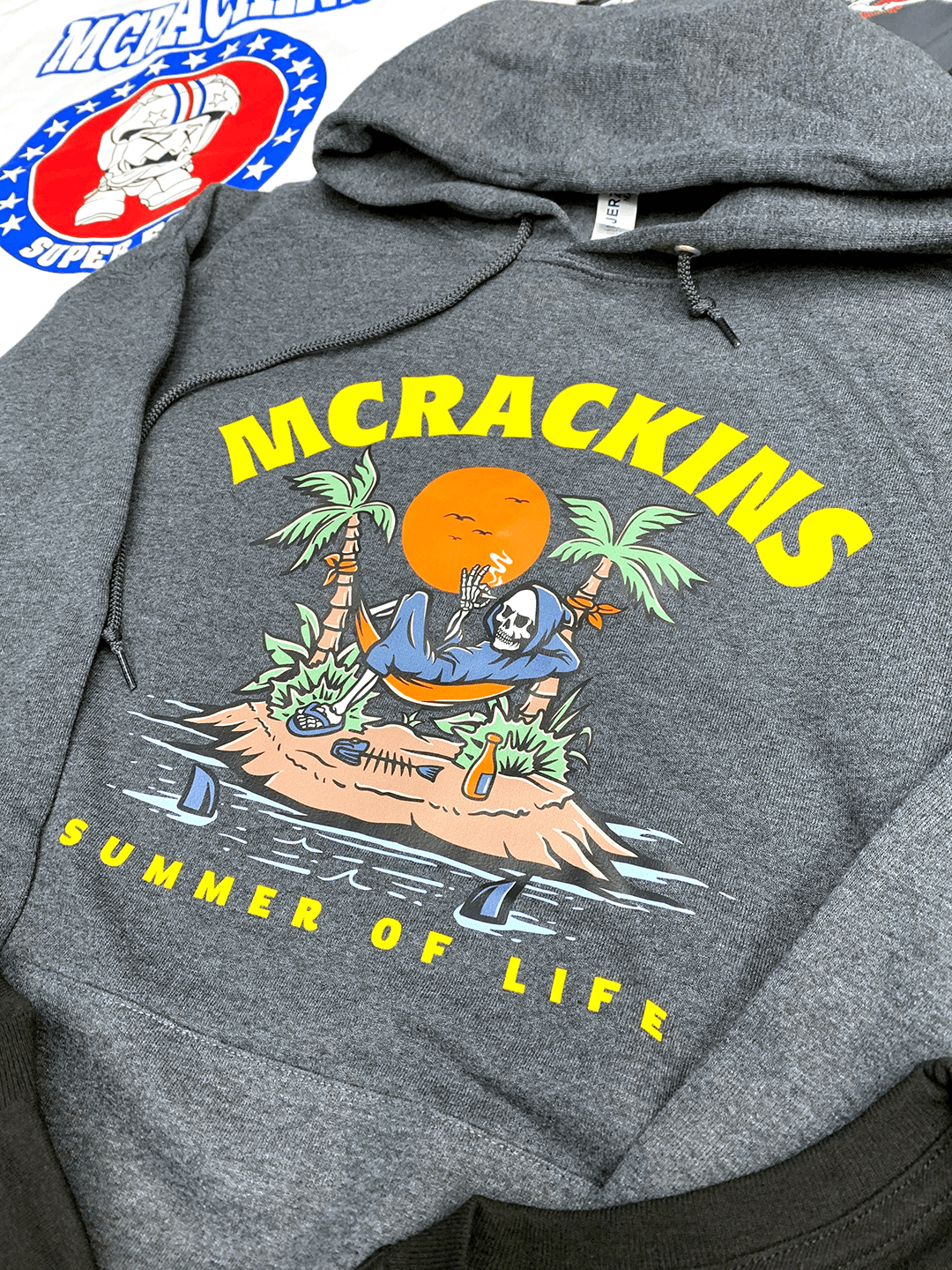
DTF printing, also known as direct-to-film printing, is a custom apparel decoration method that prints a design onto a special transfer film before applying it to fabric with heat and pressure. Instead of printing ink directly onto the garment, the artwork is first printed onto film, coated with adhesive powder, cured, and then heat pressed onto the apparel.
For businesses, teams, schools, events, creators, and brands, DTF printing is a flexible way to create custom apparel with detailed artwork, full-colour graphics, gradients, small text, and multi-colour logos. It is especially useful for smaller orders or designs that may be too detailed for traditional screen printing.
At GetBold, DTF printing is also referred to as film-to-fabric transfer printing. It is one of the custom apparel decoration options available alongside screen printing, embroidery, patches, and other specialty methods. Whether you need custom t-shirts, hoodies, jackets, bags, workwear, or branded merch, DTF printing can be a strong option when your design needs colour, detail, and flexibility.
How DTF Printing Works
DTF printing starts with your artwork. The design is printed in reverse onto a translucent carrier film using specialized inkjet technology. While the ink is still wet, powdered adhesive is applied to the back of the design. This adhesive is what helps the artwork bond to the fabric during the heat press stage.
Once the adhesive is applied, the transfer is cured so the ink and powder are ready for application. The film is then placed onto the garment in the correct position and pressed with heat and pressure. The heat melts the adhesive and bonds the design to the fabric. After pressing, the carrier film is peeled away, leaving the finished print on the apparel.
This process makes DTF printing different from traditional screen printing and DTG printing. With screen printing, ink is pushed through mesh screens directly onto the garment. With DTG, ink is printed directly onto the fabric. With DTF, the design is created on film first and then transferred onto the apparel.
Because the design is prepared separately before being pressed, DTF can work well across many different products and materials. It is especially useful when the design has multiple colours, fine details, gradients, or artwork that would be harder to separate into screens.
What Makes DTF Printing Different?
The biggest advantage of DTF printing is flexibility. It can handle detailed, full-colour artwork without needing a separate screen for each colour. This makes it a strong choice for designs that are more complex than a basic one-colour logo.
DTF printing can be used for small quantities, detailed artwork, multi-colour designs, and products that may not be ideal for traditional screen printing. It is often a practical option when you need custom apparel but do not want to simplify the design too much.
For example, a bold one-colour design on a large t-shirt order may be better suited to custom screen printing. But a detailed full-colour graphic for a smaller batch of shirts may be a better fit for DTF.
DTF printing also gives you more freedom with colour. Gradients, shading, outlines, and small design details can be reproduced more easily than with some traditional print methods. This makes it useful for brand artwork, event graphics, team designs, creator merch, and detailed logos.
When Should You Choose DTF Printing?
Choose DTF printing when your design has a lot of colour, detail, or complexity. It is also a strong option when you are ordering a smaller quantity and screen printing setup may not be the most practical choice.
DTF printing works well for:
- Custom t-shirts
- Custom hoodies
- Custom sweatshirts
- Custom jackets
- Custom bags
- Workwear
- Safety apparel
- Team apparel
- Event shirts
- Small batch merch
- Detailed logos
- Multi-colour artwork
- Full-colour graphics
- Names and numbers
- Gradients and shading
DTF printing is especially useful when you want your design to stay close to the original artwork. If your design includes small details, multiple colours, or fine lines, DTF may help keep more of that detail intact.
It can also be useful when you need the same logo or graphic applied across multiple garment types. For example, a company may want the same full-colour logo on t-shirts, hoodies, jackets, and bags. DTF can sometimes make that easier than using different decoration methods for each product.
What Products Work Best With DTF Printing?
DTF printing can work on a wide range of apparel and accessories, depending on the fabric, product structure, and design placement. It is commonly used for custom t-shirts, custom hoodies, sweatshirts, jackets, pants, bags, team apparel, workwear, and promotional clothing.
T-shirts are one of the most popular products for DTF printing because they provide a flat surface and work well for detailed, colourful artwork. DTF can be a good choice for event shirts, brand merch, school apparel, staff shirts, and custom designs with multiple colours.
Hoodies and sweatshirts are also strong options. These garments are popular for schools, teams, businesses, and merch programs because they feel more substantial than a basic t-shirt. DTF printing can be useful for chest designs, back graphics, sleeve details, and colourful logos.
DTF may also work well for custom jackets, custom bags, workwear, and pants or shorts when the material and placement are suitable. For some products, embroidery or patches may still be the better choice, especially if you want a more premium or textured finish.
DTF Printing vs. Screen Printing
DTF printing and screen printing are both used for custom apparel, but they work best in different situations.
Screen printing is a classic apparel printing method that uses mesh screens to apply ink directly to the garment. It is often the best option for larger quantities, bold graphics, solid colours, and designs that need a traditional printed feel. It is commonly used for t-shirts, hoodies, event apparel, band merch, school shirts, team gear, and branded clothing.
DTF printing is often better for detailed artwork, full-colour graphics, gradients, small quantities, and designs with many colours. Because the artwork is printed digitally onto film, DTF does not require a separate screen for every colour.
A simple way to compare them is this: screen printing is usually best for bold, simple designs and larger runs. DTF printing is usually best for detailed, colourful designs and smaller runs.
At GetBold, you can compare both options and choose the print process that makes the most sense for your project. If your design is simple and your order quantity is higher, screen printing may be the better fit. If your design is detailed or multi-colour, DTF may be the smarter choice.
DTF Printing vs. DTG Printing
DTF and DTG sound similar, but they are different print methods.
DTG stands for direct-to-garment. With DTG printing, the ink is printed directly onto the fabric. It is commonly used for detailed designs on cotton t-shirts and can create a soft print feel when used on the right garment.
DTF stands for direct-to-film. With DTF printing, the design is printed onto transfer film first, then applied to the garment with heat and pressure. This can make DTF more flexible across different fabrics and product types.
DTG can be a strong choice for soft prints on cotton apparel. DTF can be a strong choice when you need full-colour detail on a wider range of garments. The right choice depends on the design, fabric, quantity, and finished look you want.
If you are not sure which method is best, GetBold can help review your artwork and recommend the right option based on your apparel, budget, and order size.
DTF Printing vs. Embroidery
DTF printing and embroidery create very different looks.
DTF printing creates a smooth printed design on the surface of the garment. It works well for detailed artwork, full-colour logos, gradients, graphics, names, numbers, and smaller print runs. It is a strong option for t-shirts, hoodies, jackets, bags, and event apparel.
Embroidery uses thread to stitch the design into the garment. It creates a textured, premium finish that works well for hats, polos, jackets, uniforms, aprons, and smaller logo placements.
If you are creating a detailed graphic for a t-shirt or hoodie, DTF printing may be the better choice. If you are adding a simple company logo to a polo or hat, embroidery may look more polished.
Both methods are useful. DTF is best when colour and detail matter. Embroidery is best when texture, durability, and a professional finish are the priority.
What Types of Designs Work Best for DTF Printing?
DTF printing works well for designs that have more colour, detail, or visual complexity. Since the artwork is printed digitally onto film, it can handle designs that may be harder to reproduce with standard screen printing.
Good design choices for DTF printing include:
- Full-colour logos
- Detailed illustrations
- Gradients
- Shading
- Fine lines
- Small text
- Event graphics
- Team names and numbers
- Multi-colour brand artwork
- Creator merch
- Small batch designs
- Designs with outlines or effects
DTF is also useful when you want your design to look consistent across different apparel items. A detailed logo can be applied to t-shirts, hoodies, jackets, bags, or workwear depending on the product and placement.
That said, good artwork still matters. A blurry, low-resolution file will not become sharp just because it is printed with DTF. For the best results, follow GetBold’s artwork guidelines and use a clean, high-quality file.
Is DTF Printing Durable?
DTF printing can be durable when the transfer is produced properly, applied correctly, and cared for well. The adhesive helps bond the design to the fabric during the heat press process, creating a print that can hold up to regular wear.
Like any decorated apparel, care matters. To help protect the print, wash garments inside out in cold water, avoid harsh detergents, and use low heat or hang dry when possible. High heat and rough washing can shorten the life of many printed designs.
DTF is a strong option for everyday custom apparel, event shirts, team gear, branded merch, and small business apparel. For rugged workwear or garments that will go through heavy use, it is worth reviewing the product and decoration method before production.
If durability is the top priority and your design is simple, screen printing or embroidery may be better depending on the garment. If detail, colour, and flexibility are more important, DTF printing can be a great fit.
Why DTF Printing Is Useful for Small Orders
One of the biggest reasons people choose DTF printing is that it works well for smaller orders. Screen printing can be very efficient for larger quantities, but the setup process can make it less practical for short runs, especially when the design has many colours.
DTF printing simplifies that setup because the design is printed digitally onto film. This makes it useful for businesses, creators, teams, schools, clubs, and events that need custom apparel without ordering hundreds of pieces.
It is also helpful when you need multiple versions of a design. For example, a team may need names and numbers. A small brand may want to test a merch design. A company may need a short run of shirts for an event. A school club may want detailed artwork without simplifying the logo.
DTF printing gives you the freedom to create apparel that feels custom without needing a huge order.
DTF Printing With GetBold
GetBold helps businesses, teams, schools, events, creators, and organizations across Canada create custom apparel with the right decoration method for the job. DTF printing, also known as film-to-fabric transfer printing, is one of the options available when your design needs detail, colour, and flexibility.
If your artwork includes gradients, shading, multiple colours, or small details, DTF printing may be a strong choice. If your design is bold and simple, screen printing may be more cost-effective for larger quantities. If you want a premium stitched finish, embroidery or patches may be better.
The process is simple. Choose your apparel, upload your design, review your decoration options, and request a quote. GetBold reviews the order and provides a digital proof so you can approve the design before production.
Whether you need custom t-shirts, hoodies, jackets, workwear, bags, team apparel, event gear, or branded merch, DTF printing can help bring detailed designs to life on apparel people will actually wear.
Frequently Asked Questions About DTF Printing
What is DTF printing?
DTF printing stands for direct-to-film printing. It is a custom apparel decoration method where a design is printed onto special film, coated with adhesive powder, cured, and heat pressed onto fabric.
What is DTF printing best for?
DTF printing is best for detailed designs, full-colour logos, gradients, small text, multi-colour artwork, smaller orders, team apparel, custom t-shirts, hoodies, jackets, bags, and branded merch.
Is DTF printing the same as heat transfer printing?
DTF printing is a type of heat transfer printing. The design is printed onto film first, then transferred to the garment using heat and pressure.
Is DTF better than screen printing?
It depends on the project. DTF is usually better for detailed, colourful, or smaller orders. Screen printing is often better for larger quantities and bold designs with fewer colours.
Is DTF printing durable?
Yes, DTF printing can be durable when applied properly and cared for correctly. Washing inside out in cold water and avoiding high heat can help protect the print.
Can DTF printing be used on hoodies?
Yes. DTF printing can work well on hoodies and sweatshirts, depending on the fabric, placement, and artwork.
Can DTF printing be used on jackets?
Yes, DTF printing may work on some jackets depending on the material and placement. For certain jacket styles, embroidery or patches may be a better fit.
What artwork works best for DTF printing?
DTF printing works well for full-colour artwork, detailed logos, gradients, shading, small text, and complex graphics. High-quality artwork is important for the best final result.
How do I start a DTF printing order?
Start by choosing your apparel, uploading your design, and requesting a quote. GetBold can review your artwork and help determine whether DTF printing, screen printing, embroidery, or another decoration method is the best fit.